Kiwi Font Download: A Zesty Display Typeface for Bold Branding
If you are looking to inject energy and playfulness into your visual projects, the search often ends with a specific aesthetic: bold, bubbly, and unapologetically fun. This is exactly where Kiwi shines. As an animated display font, it captures a zesty-and-zealous soul that stands out in a crowded digital landscape. For designers seeking a Kiwi free download or considering a Kiwi font download for their next creative endeavor, understanding the nuances of this typeface is essential. It is not just another sans-serif; it is a personality-driven tool designed to personify letterforms with unique character.
Whether you need to download Kiwi font free for a personal project or are evaluating its potential for high-stakes commercial work, this guide breaks down everything you need to know about leveraging this premium Display font effectively.
Introduction: What is Kiwi?
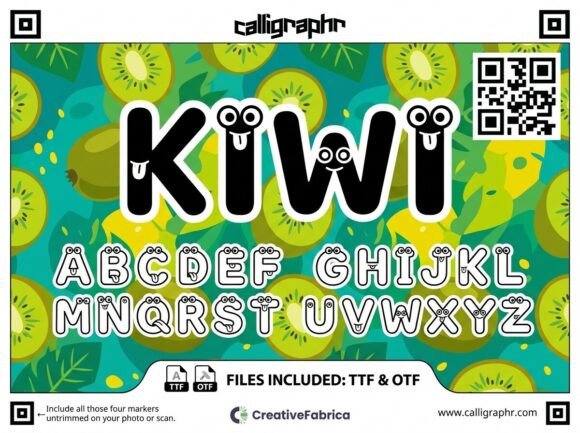
Kiwi is more than just a collection of glyphs; it is a statement piece. Categorized firmly within the Display genre, this typeface rejects the rigid uniformity of traditional corporate fonts. Instead, it offers rounded, inflated shapes that feel tactile and approachable. When you explore options for a free Display font for Fonts libraries, Kiwi frequently appears as a top contender for brands that want to appear friendly yet confident. Its design philosophy centers on "personification," giving each letter a distinct stance and mood, making it an ideal choice for modern, youth-oriented, or lifestyle-focused designs.
Design and Style Analysis
To truly appreciate Kiwi, one must look beyond the surface level of its roundness. The craftsmanship lies in the subtle irregularities that prevent it from looking generic.
Bubbly Letterforms and Personality
The core identity of Kiwi rests in its bold, bubbly sans-serif letterforms. Unlike geometric sans-serifs that rely on perfect circles, Kiwi introduces slight organic variations. This gives the text a hand-drawn feel without sacrificing the clarity of a digital font. The terminals are soft, and the counters are wide, ensuring that even at larger sizes, the font breathes well.
Weight and Visual Impact
As a display typeface, Kiwi is designed to be seen. It typically comes in heavier weights that command attention. This makes it less suitable for long-form body text but perfect for headlines where impact is paramount. The consistent stroke width ensures that the font remains legible while maintaining its playful integrity.
Spacing and Balance
One of the challenges with bubbly fonts is kerning. Kiwi addresses this with generous default spacing, allowing each character to stand out without colliding with its neighbors. This open spacing contributes to its airy, optimistic vibe, making it a versatile professional Fonts font for various layouts.
Best Uses for Kiwi
Because of its distinct personality, Kiwi is not a one-size-fits-all solution. However, for the right applications, it is unmatched. Here is how you can maximize its potential.
Kiwi for Logo Design
Startups and lifestyle brands often struggle to find a font that feels both modern and approachable. Kiwi for logo design is an excellent choice because its unique letterforms can serve as a standalone logotype. The rounded edges convey trust and friendliness, which is crucial for consumer-facing brands in food, tech, or education.
Kiwi for Branding and Identity
When building a brand identity, consistency is key. Using Kiwi for branding allows you to establish a voice that is loud and clear. From business cards to vehicle wraps, the bold nature of the font ensures readability from a distance, reinforcing brand recognition through its distinctive shape.
Kiwi for Posters and Social Media
In the fast-scrolling world of social media, you have seconds to capture attention. Kiwi for posters/social media/packaging works exceptionally well because it pops against busy backgrounds. Whether used in Instagram stories or YouTube thumbnails, its high contrast and bold presence stop the scroll.
Kiwi for Wedding Invitations and Cards
While traditionally associated with formal scripts, modern weddings are embracing playful typography. Kiwi for wedding invitations/cards/typography adds a touch of whimsy to save-the-dates and reception signage. It is particularly effective for casual, outdoor, or beach-themed weddings where rigidity is replaced by relaxation.
Font Pairing and Combinations
A common question among designers is, what fonts pair well with Kiwi? Because Kiwi is so dominant, it requires a supportive partner. The goal of effective Kiwi font pairing is to balance its weight with something neutral or contrasting.
- With Clean Sans-Serifs: Pair Kiwi with a minimalist sans-serif like Helvetica or Open Sans for body text. This creates a hierarchy where Kiwi handles the emotion and the sans-serif handles the information.
- With Elegant Serifs: For a sophisticated twist, combine Kiwi with a high-contrast serif like Playfair Display. This juxtaposition of playful bubbles and sharp serifs creates a dynamic, editorial look.
- With Monospaced Fonts: For a tech-forward or brutalist aesthetic, pairing Kiwi with a monospaced font can create an interesting tension between organic and mechanical forms.
Finding the best font combinations with Kiwi often involves trial and error, but the rule of thumb is to keep the secondary font simple to let Kiwi shine.
Licensing and Commercial Use
Before integrating any typeface into a client project, understanding the legal framework is critical. Many users ask, is Kiwi free for commercial use? The answer depends on the source of your Kiwi font license.
Typically, fonts available for a Kiwi free download are licensed for personal use only. This means you can use them for school projects, personal blogs, or non-monetized designs. However, if you are creating a logo for a client, designing packaging for a product, or running ads, you must secure a commercial license. Always verify if the specific version you are downloading allows for Kiwi commercial use. Purchasing a premium license often includes broader usage rights, such as web embedding or app integration, which are essential for modern digital products.
How to Download and Use Kiwi
Getting started with this typeface is straightforward. You can often find a download Kiwi font free option on popular font repositories like DaFont, FontSquirrel, or CreativeFabrica. For those seeking guaranteed quality and support, buying a premium Display font license from a dedicated foundry is recommended.
Once downloaded, installing Kiwi is simple on both Mac and Windows systems. But how do you integrate it into your workflow? Learning how to use Kiwi in Canva/Word/Photoshop can streamline your design process. In Photoshop, use Kiwi for large headers and apply slight drop shadows to enhance its 3D bubbly effect. In Canva, it is ideal for social media templates where quick, impactful text is needed. In Word, it can elevate simple documents like flyers or newsletters, provided you keep the text volume low to maintain readability.
Designer Notes and Tips
To get the most out of this typeface, consider these practical tips. First, always test Kiwi in black and white before adding color. This ensures that the letterforms hold up structurally without relying on chromatic appeal. Second, be mindful of size. While it is a display font, pushing it too small can cause the rounded details to merge, reducing legibility.
When comparing Kiwi vs similar font options, look at the curve continuity. Kiwi’s smooth transitions give it a more polished look than rougher hand-drawn alternatives. It stands out as one of the best Display fonts for use case scenarios requiring high energy and approachability. By respecting its strengths and pairing it wisely, Kiwi becomes an indispensable asset in your typographic toolkit.